(Adds Zimbabwe, paragraphs 9-10)
By Charles Mangwiro
MAPUTO, Jan 22 (Reuters) - The United Nations World Food Programme (WFP) said on Tuesday it had started flying in aid for tens of thousands of Mozambicans hit by floods that have swept through southern Africa.
Mozambican officials said the floods had killed 14 people so far and they would need $43 million for rescue operations, humanitarian services, fuel and other costs.
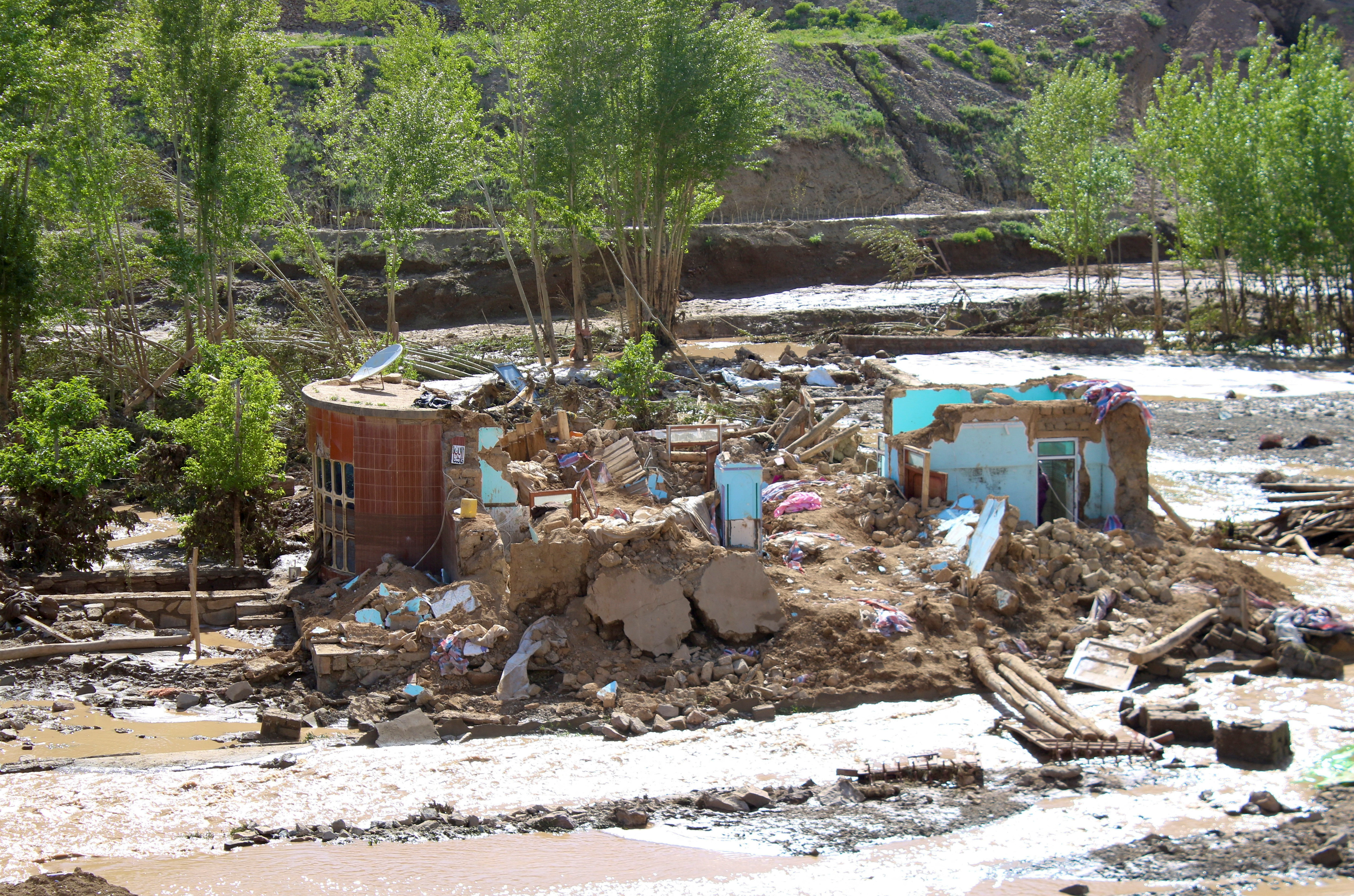
Zambia, Mozambique, Zimbabwe and Malawi have been lashed by heavy rains for several weeks. Swollen rivers have burst their banks, killing dozens and forcing thousands of villagers to flee flooded homes.
The WFP has started delivering mosquito nets, tents and plastic sheeting to affected areas along the Zambezi valley in central Mozambique and plans to send 74 tonnes of food by helicopter in about four days, it said in a statement.
"Around 76,000 people have been displaced by the current floods. Many more remain stranded in areas that can no longer be reached by road," it said.
The deputy director of the National Institute for Disaster Management, Joao Ribeiro, told Reuters the $43 million would be needed to cope with flood damage but emergency appeals for international help were not needed at present.
The government and its partners, mainly U.N. humanitarian agencies and the European Union, have agreed to fund the government's disaster management efforts.
"The government's contingency plan for disasters does not require an international appeal," Ribeiro told Reuters.
Relief officials in Zimbabwe, west of Mozambique, said there was no immediate danger of new floods.
"The flood threat has subsided for the time being, but we are continuing with relief work in affected areas where thousands of households were affected," said Sibusisiwe Ndlovu, deputy director of the Civil Protection Unit.
In Mozambique, floods killed 45 people and made 285,000 homeless in February-March 2007 after torrential rain and hurricanes swept through the country.
It was the worst flooding to hit the country since 2000-2001, when 700 people died and half a million were driven from their homes. (Additional reporting by Nelson Banya in Harare, editing by Tim Pearce)