PORT HARCOURT, Nigeria (Reuters) - Nigerian gunmen attacked an oil industry barge, a jetty and a government building on Wednesday, briefly capturing 18 Filipino crew and fighting with troops, officials said on Thursday.
Violence has been on the increase for the past month in the Niger Delta, where about 2.1 million barrels of crude are pumped every day. Armed rebels say they are losing patience with peace talks launched in June by Nigeria's new government.
Wednesday's fighting occurred in and around Okrika, a riverine community in Rivers state which is the stronghold of a powerful local militia led by Ateke Tom.
Local newspapers quoted sources from Tom's gang as saying the attacks were in retaliation for an army incursion into Okrika on December 10, but this could not be confirmed.
Officials said the gunmen had been trying to hijack an oil industry barge when troops opened fire, causing them to flee in their speedboats.
Army spokesman Sagir Musa said the Filipino crew were safe.
"The 18 Filipinos were rescued by our men after the militants blew up the vessel with dynamite. They were handed over to Rivers state government," Musa said.
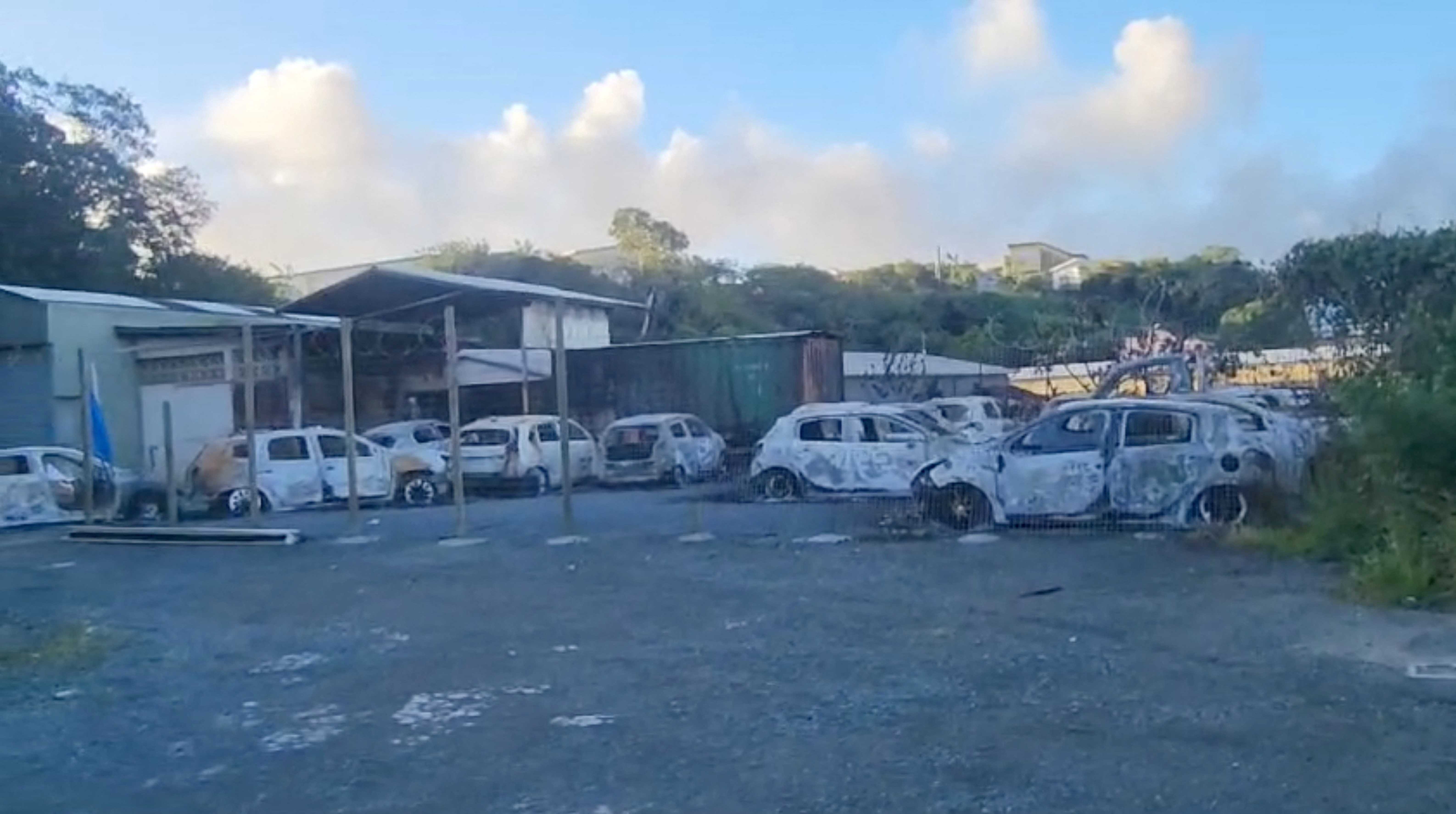
The gunmen then set fire to a jetty operated by the state oil company, before attacking the Okrika local government headquarters. Musa said a man and a woman were killed in the crossfire and the gunmen torched several vehicles, but no troops or attackers were killed.
Armed rebels in the delta demand greater local access to oil revenues, an end to what they see as neglect of their impoverished communities, compensation from oil companies for oil spills and gas flares, and greater political autonomy.
A wave of attacks on the industry and abductions of foreign oil workers in early 2006 forced the closure of about a fifth of Nigerian output, contributing to the rise of oil prices on world markets. Since then there has been sporadic violence.
But crime and militancy are intertwined in the delta, where armed groups make big money from ransoms, smuggling stolen crude and gun-running, often with the complicity of corrupt government officials. Many gangs have used the political struggle as a pretext to carry out crimes for profit.
President Umaru Yar'Adua came to power on May 29 promising to address the root causes of the crisis and launched talks with rebel groups. However, several influential militia leaders have said within the past few weeks that they doubted the government's sincerity and the talks were going nowhere.